


The Ultimate Guide to Using a PDF to PNG Converter: Everything You Need to Know
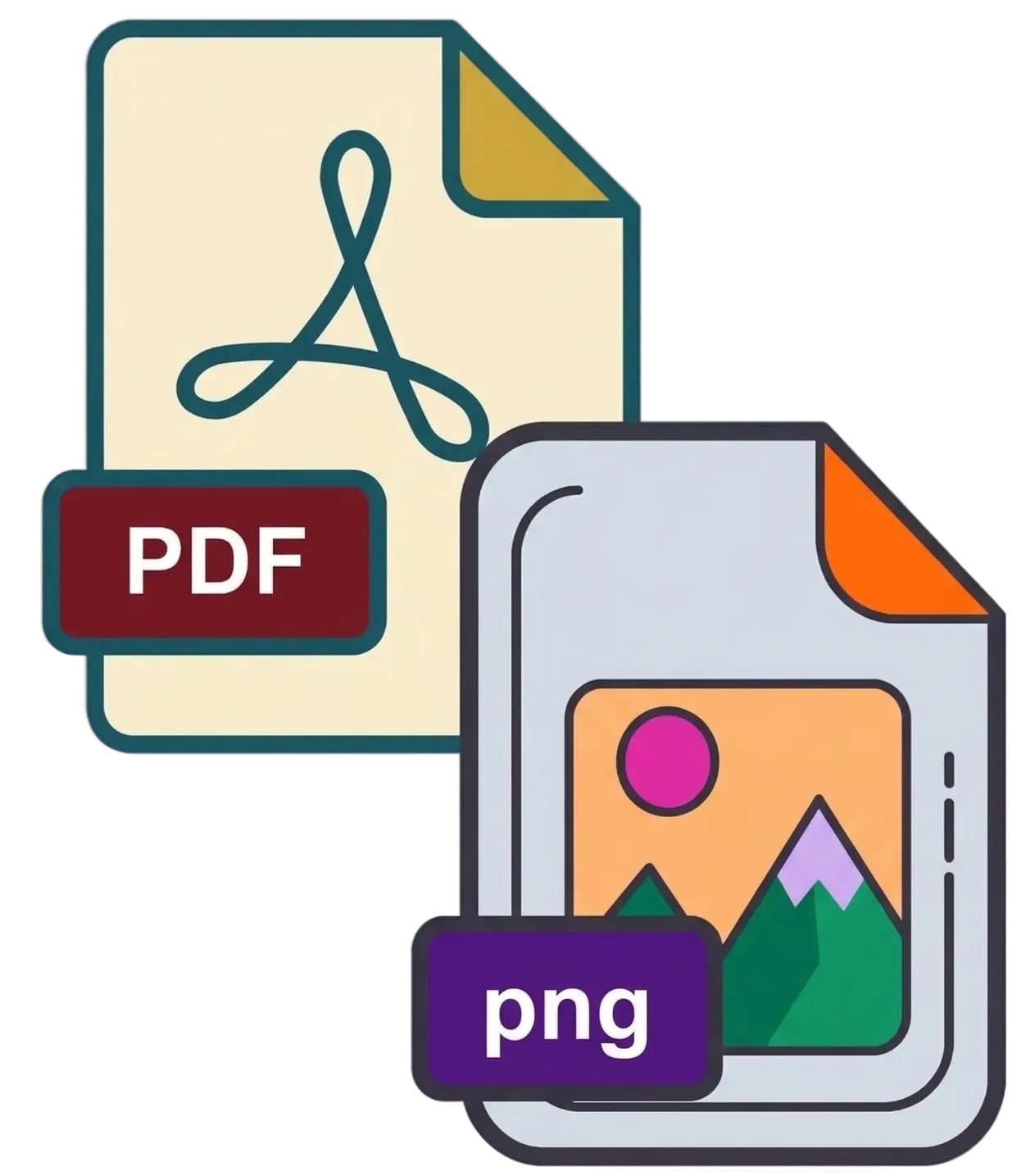
In the modern digital landscape, documents and graphics serve as the backbone of business, education, and creative endeavors. However, formatting issues and software compatibility barriers can often bring productivity to a grinding halt. Among the myriad of file formats, the Portable Document Format (PDF) and the Portable Network Graphics format (PNG) stand as two of the most vital standards for ensuring your documents look perfect across all devices.
While PDFs are magnificent for preserving complex, multi-page document layouts with crisp vector text, they are inherently rigid. They are difficult to embed on web pages, impossible to post directly to most visual social media networks, and cumbersome to insert into graphic design workflows. This is precisely where a highly optimized PDF to PNG Converter becomes an absolute necessity. Transforming a static, inflexible document into a versatile, lossless image format opens up a world of digital possibilities.
This comprehensive, in-depth guide will explore the history of these formats, define exactly what a PDF to PNG Converter is, outline the specific benefits of utilizing our client-side web tool, and provide expert tips on optimizing your document workflow.
Understanding the Formats: PDF vs. PNG
Before diving into the conversion process, it is essential to understand why these two formats exist and what makes them fundamentally different. This understanding highlights exactly why converting between them is so frequently required, and why PNG is often superior to other image formats like JPG.
The Portable Document Format (PDF)
Created by Adobe Systems in 1992, the PDF was invented to act as a digital piece of paper. It locks in the text (vector graphics), embedded fonts, and layout coordinates so that the document looks identical whether it is viewed on a smartphone or a desktop computer. Because it operates as a secure container for vectors and text data, it is infinitely scalable without losing quality. However, it requires specific PDF reader software to view and edit.
The Portable Network Graphics (PNG)
The PNG format was developed as an open standard to replace the older GIF format. A PNG is a "raster graphic," meaning it consists of a grid of colored pixels. The defining feature of the PNG format is its use of lossless compression. Unlike JPGs, which discard visual data to shrink file sizes, PNGs preserve every single pixel perfectly. This makes PNG the undisputed champion for images containing text, sharp lines, architectural blueprints, and flat-color graphics. Because it is a standard image format, literally every digital screen, web browser, and app can instantly display a PNG file.
What is a PDF to PNG Converter?
A PDF to PNG Converter is an advanced utility tool that bridges the gap between these two vastly different formats. It performs a process known as "rasterization." The software opens the complex PDF container, reads the mathematical instructions for where the text and shapes should be, and then digitally renders that information onto a flat, pixel-based canvas. Finally, it takes a snapshot of that canvas and saves it as a high-fidelity, lossless PNG image file.
If you feed a 10-page PDF into a PDF to PNG Converter, the tool will analyze each page individually and output ten separate, crystal-clear PNG image files, ready to be used wherever standard photos are accepted.
Top Reasons to Use a PDF to PNG Converter
Why go through the trouble of changing your document's format to a PNG instead of a JPG? The use cases span across virtually every profession. Here are the most prominent reasons you need a PDF to PNG Converter in your toolkit:
1. Perfect Text Clarity and Lossless Quality
If you are converting a PDF that consists mostly of text, charts, graphs, or line art, converting to a JPG will often result in "compression artifacts"—blurry halos around the sharp edges of your letters. Because a PDF to PNG Converter utilizes lossless compression, the resulting image will have perfectly crisp text and sharp lines, making it incredibly easy to read.
2. Enhanced Web Design and User Experience (UX)
Web developers know that forcing a website visitor to download a PDF just to read a simple menu, price list, or event schedule is bad practice. By converting the PDF to a PNG, a webmaster can embed the high-quality image directly into the HTML of the page. The user sees the information instantly as they scroll, drastically improving engagement.
3. Effortless Presentation Building
Building slide decks in Microsoft PowerPoint, Apple Keynote, or Google Slides is a highly visual process. If an analyst needs to include a specific chart that is locked inside a 50-page PDF report, importing the PDF directly is often messy. A PDF to PNG Converter isolates that specific page and turns it into a high-resolution image that can be easily dragged, resized, and animated on the presentation slide without losing any detail.
4. Flawless Social Media Integration
If you run a business or a creative agency, you likely design promotional flyers or infographics. Networks like Instagram, Facebook, and Pinterest do not accept PDF uploads. Using a PDF to PNG Converter instantly transforms your promotional document into a post-ready, pristine image, allowing you to reach your audience without quality degradation.
5. Creating Video Content
With the explosion of YouTube and TikTok, video editors frequently need to display documents on screen—such as a highlighted news article or a legal snippet. Video editing timelines do not import PDF formats. Editors rely on PDF to PNG Converters to generate crisp visual assets they can pan, zoom, and display within their videos.
The Technical Magic: How Our Client-Side Converter Works
When you search for a "PDF to PNG Converter" online, you are met with millions of results. However, 99% of those traditional tools use an outdated, server-side model. They force you to upload your file to their remote servers, wait in a queue, process the file remotely, and then give you a download link.
Our tool represents the next generation of web utilities by utilizing cutting-edge Client-Side Processing. Here is exactly what happens when you use our tool, and why it is superior:
- Local File Access: When you drag and drop your file into the designated zone, HTML5 technology reads the file directly into your browser's local memory (RAM).
- PDF.js Engine: We utilize PDF.js, an incredibly powerful, open-source library originally developed by Mozilla. This engine interprets the complex PDF code entirely within the confines of your browser.
- Canvas Rasterization: The engine creates a hidden HTML element for each page. It precisely calculates the layout and draws the text, vectors, and embedded images onto this blank canvas. We explicitly ensure a solid white background is applied to emulate physical paper for perfect readability.
- Instant PNG Generation: Once the page is rendered on the canvas, the browser instantly converts those pixels into a highly optimized, lossless PNG data file, presenting it directly on your screen for immediate download.
Security First: The Ultimate Privacy Advantage
The most critical advantage of our Client-Side PDF to PNG Converter is Security and Privacy.
Think about the documents you might need to convert: tax returns, confidential corporate merger presentations, private medical records, or proprietary architectural blueprints. If you use a standard online converter, you are uploading those sensitive files to an unknown, third-party server. You have zero control over who sees that file, whether it is permanently deleted, or if the server suffers a massive data breach.
Because our tool runs 100% locally in your web browser, your files never leave your computer. They are never uploaded to the internet. They are never sent to a server. In fact, once the web page loads, you could disconnect your computer from the Wi-Fi, and the PDF to PNG Converter would still work flawlessly! This offline capability ensures complete peace of mind, making it the safest option available on the web today for handling sensitive data.
Understanding DPI and Optimizing Image Quality
Because we are turning infinitely scalable vector text into fixed pixels, the "resolution" at which we draw the image matters immensely. This is controlled by DPI (Dots Per Inch) or scaling factors. Keep in mind that because PNG is a lossless format, higher DPI settings will result in larger file sizes than JPGs.
To ensure you get the absolute best results for your specific use case, our PDF to PNG Converter offers dynamic quality controls:
- Standard Quality (150 DPI): This setting is perfect for digital sharing and web embeds. It creates a PNG that looks great on computer monitors while keeping the file size manageable.
- High Quality (200 DPI): This is the golden mean and our default recommendation. At 200 DPI, the text becomes incredibly crisp, and charts/graphs retain their fine details. This is the optimal setting for presentation slides and social media uploads where clarity is paramount.
- Maximum Quality (300 DPI): In the graphic design and print industry, 300 DPI is the holy grail of resolution. If you are converting a PDF to a PNG with the intention of physically printing that image later, or if the document contains microscopic details (like CAD drawings), use this setting. The resulting file size will be large, but the visual fidelity will be flawless.
Troubleshooting Common Conversion Issues
Our PDF to PNG Converter is built to handle the vast majority of files seamlessly, but certain edge cases can arise. Here are some pro tips for ensuring smooth conversions:
Dealing with Massive Documents: Because PNG is an uncompressed/lossless format, converting a 600-page encyclopedia PDF on "Maximum Quality" will require significant RAM and result in massive files. If you have an enormous file, consider using a PDF splitter first to divide it into smaller chunks, or lower the quality setting to "Standard."
Password-Protected Files: If the author of the PDF encrypted the file with a password to prevent viewing or editing, our browser-based engine will be locked out. You will need to remove the password protection using an unlocking utility before converting the file to PNG.
Conclusion
Navigating the digital workspace shouldn't involve wrestling with incompatible file formats or settling for blurry text. The ability to swiftly, securely, and freely convert your rigid documents into perfectly crisp images is a massive productivity booster. With our professional-grade, browser-based PDF to PNG Converter, you hold a powerful tool that respects your privacy while delivering top-tier visual results.
Whether you need to extract an infographic with perfect clarity, pull a chart for a vital quarterly presentation, or render an architectural blueprint, this tool handles the heavy lifting in seconds. Save this page to your bookmarks, integrate it into your daily digital routine, and experience the freedom of seamless, lossless file conversion today!